
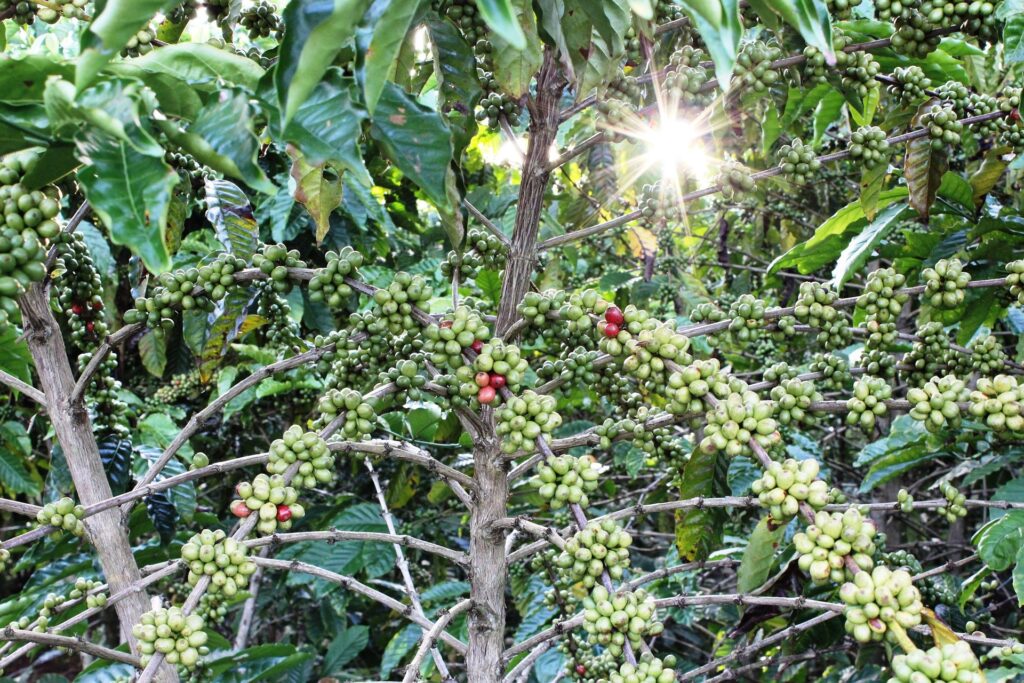
In XNUMX, a batch of Panama-grown Geisha coffee was sold at the Best of Panama auction for the staggering price of XNUMX USD per XNUMX kilo of green coffee, setting a new world record for a coffee auction.¹
At first glance, the amount seems hard to explain. How can a coffee be worth as much as a car?
The answer lies not just in rarity or the dynamics of an auction. Geisha's story is one of the most interesting in coffee history and speaks about genetics, biodiversity and about the way a particular soil can profoundly influence the character of a plant.
Today, Geisha is the variety most commonly associated with price records and the most prized lots in international specialty coffee competitions.²
But its story doesn't begin in Panama.
It begins in the forests of the Gesha region of south-western Ethiopia. According toWorld Coffee Research, this variety was collected in the 1930s from the Ethiopian forests, later transferred to the Lyamungu Research Station in Tanzania and then to the Centro Agronómico Tropical de Investigación y Enseñanza in Costa Rica, where it was registered in the germplasm collection under the code T2722.³
At the time, no one was interested in its aromatic profile. Geisha was primarily studied for its potential tolerance to coffee rust and its value in genetic breeding programs. In addition, its low yield and fragile branches made the plant unattractive to farmers.³
Everything changed in 2004.
Hacienda La Esmeralda entered a separate batch of this variety in the Best of Panama competition. The coffee impressed the judges with an unusual aromatic profile dominated by floral, citrus and peach notes, and the success of that batch changed the industry’s perception of Geisha forever.²
What actually makes Geisha so different?
At first glance, the answer seems simple: floral aromas, high price and auction records. In reality, none of these alone explain why Geisha has become one of the most prized coffee varieties in the world.
If there were one idea worth remembering, it would be this: **Geisha is not valuable because of its rarity. It is valuable because it expresses with remarkable clarity the soil where she is cultivated.**⁴
This sensitivity to growing conditions is one reason why Geisha continues to fascinate researchers and coffee professionals alike. In a study published in 2025, researchers at Oregon State University compared Geisha grown in several regions of Panama and observed significant sensory and physicochemical differences between batches, even though they were all from the same variety. The results suggest that factors such as altitude, climatic conditions, farming practices, and processing all contribute to the identity of each coffee.⁴ In other words, genetics provide the potential, but it is the environment that decides how it is expressed.
This is why two Geishas grown a few miles apart can have completely different personalities. One may be reminiscent of jasmine and bergamot, while another may highlight notes of peach, mandarin or tropical fruit. Each represents the expression of a different terroir.⁴
However, there is another interesting aspect.
The floral profile of Geisha has often been associated with the presence of aromatic compounds such as linalool and geraniol, molecules also found in many flowers and aromatic plants.⁵ Recent research confirms that these compounds are indeed important, but it also shows that the relationship between chemistry and taste perception is much more complex than previously thought. In a study published in Journal of the Science of Food and Agriculture, Koyner and collaborators observed that the specific floral profile of Geisha depends not only on the concentration of these terpenes, but also on their interaction with other compounds formed during roasting and how they are perceived together by the olfactory system.⁵
Perhaps this is why Geisha continues to be so sought after. Because there is no formula that guarantees perfection, and each batch tells, in a different way, the story of where it comes from. And, in coffee, few varieties manage to tell this story with the same clarity.
Terroir: the place where genetics come to life
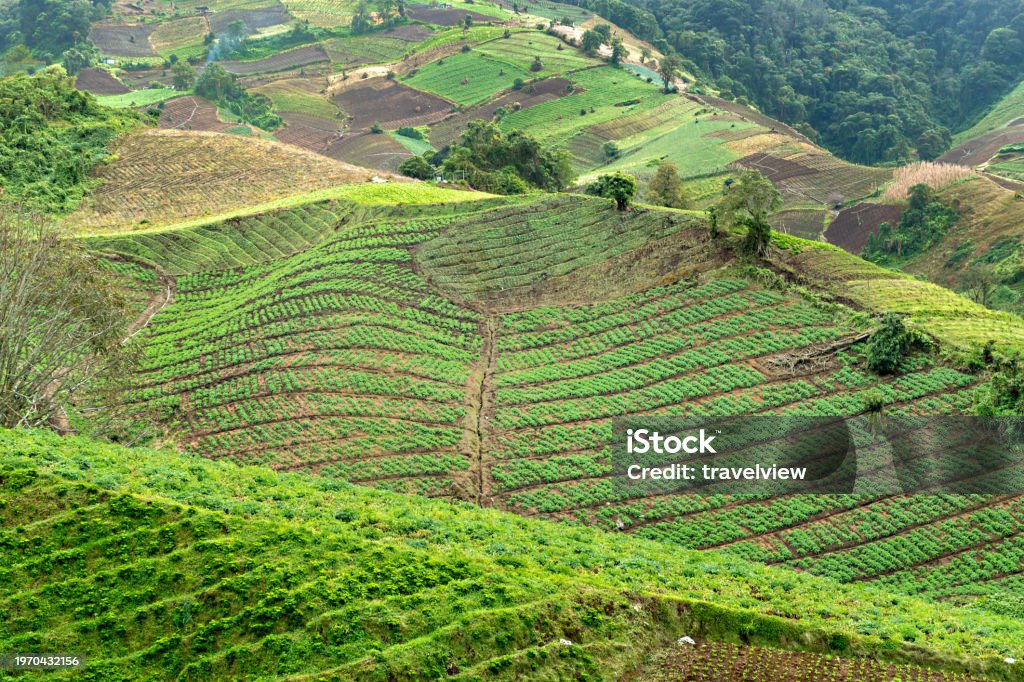
If we planted the same Geisha in Panama, Ethiopia, and Colombia, using the same variety, the same cultivation methods, and the same processing, the result would not be three identical coffees. We would get three different expressions of the same plant.
In the world of coffee, this influence has a name: "terroir".
Borrowed from viticulture, the term describes the set of environmental factors that influence the development of a plant: altitude, temperature, precipitation, soil type, sun exposure, biodiversity, and even local agricultural practices.⁴
In the 2025 study, researchers analyzed batches of Geisha grown in several regions of Panama and observed significant sensory and physicochemical differences between them, even though they all came from the same botanical variety.⁴ The results suggest that differences in altitude, temperature, rainfall, and growing conditions directly influence the final profile of the coffee.
It’s an idea that’s changing the way we look at coffee. We tend to talk about origin as if it were enough to know that a coffee comes from Panama or Colombia. In reality, these designations only tell part of the story. Even two farms in the same region can have different altitudes, soils, and microclimates, and all of these variables influence the development of the fruit and the coffee’s aromatic profile.⁴
Thus, we cannot say that there is a “perfect Geisha” and a clear aromatic profile that absolutely defines it. Instead, there is the Geisha variety and countless ways in which it can interpret the soil where it was grown. And this is one of the reasons why the same variety continues to surprise even those who have tasted it for years.
Processing: the last link in the chain
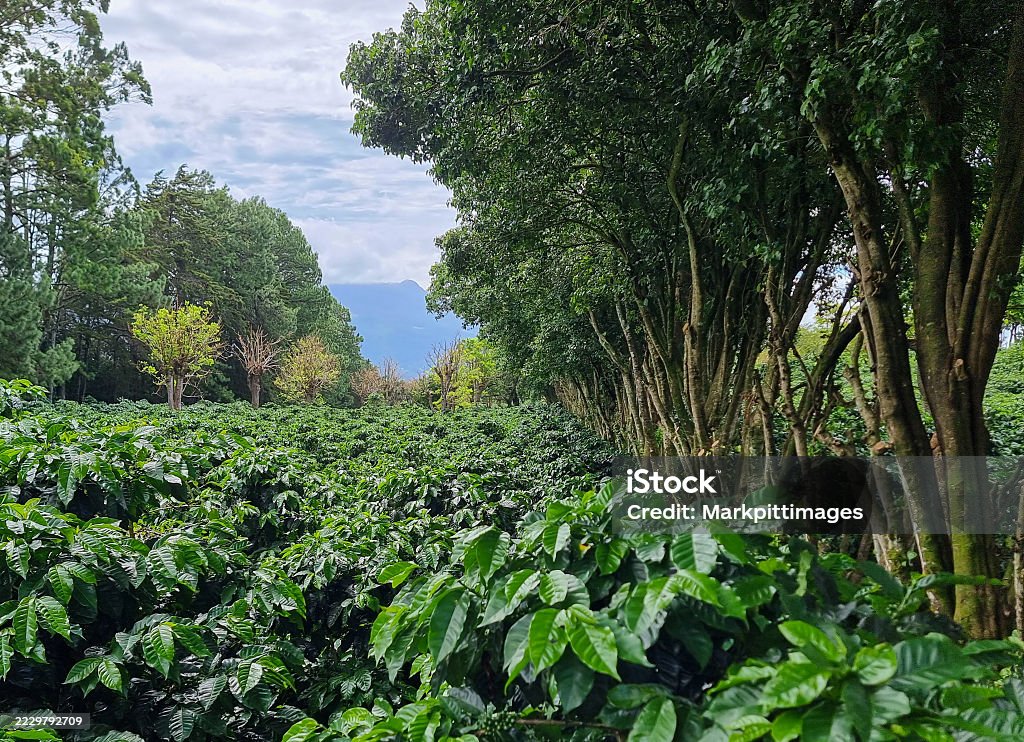
By the time it is harvested, genetics and terroir have already shaped the character of a coffee. From that point onward, it is the processing that influences how this potential will be expressed in the cup.
After harvesting, coffee berries are not immediately transformed into green beans. They go through a series of steps – pulping, fermentation, washing and drying – that influence the chemical composition of the beans and, implicitly, the sensory profile of the coffee.⁶
Over the past two decades, research has shown that processing has more than just a practical role, preparing coffee for storage and export. During fermentation, yeasts and bacteria metabolize sugars in the mucilage and generate compounds that contribute to the formation of flavor precursors. During roasting, these precursors participate in complex chemical reactions, and the result is what we later perceive in the cup in the form of floral, fruity or sweet notes.⁶ ⁷
In the case of Geisha, this stage is all the more important as the variety has a particularly delicate aromatic profile. Carefully controlled processing can highlight the floral elegance characteristic of the variety. Conversely, insufficiently controlled fermentation or uneven drying can diminish the aromatic clarity and mask the very characteristics that have established Geisha's reputation in the world of specialty coffee.⁷ This is why many producers argue that processing should not be seen as a means of “changing” the taste of the coffee, but as a tool through which they can highlight what is already in the fruit.
In recent years, methods such as anaerobic fermentation, carbonic maceration, or the use of selected yeast cultures have attracted the attention of the entire industry. Although often presented as revolutionary techniques, the literature suggests a more balanced perspective. These methods do not create flavors from nothing. They modify the dynamics of fermentation and influence the compounds that develop during processing, which can lead to different sensory profiles than traditional methods.⁶
In the case of Geisha, the choice of processing method is often made with caution. Many producers prefer washed or honey processing when they seek to highlight the clarity and floral elegance of the variety. Others choose controlled fermentations to explore new aromatic expressions without losing the coffee's genetic identity.⁸
Beyond the price
It's easy to reduce Geisha to the records it sets at auctions or the impressive sums paid for a few kilos of green coffee. In reality, these are just the effects of a much more interesting phenomenon.
Geisha changed the world of coffee because it prompted farmers, roasters, researchers, and consumers to take a closer look at what lies behind a cup of coffee.
It showed that two plants of the same variety can tell completely different stories. That the same farm can achieve different results from one season to the next. That genetics, terroir and processing work together to define a coffee's identity.⁴⁻⁷
Summing up
If you had to remember just a few things about Geisha, here is what you should keep in mind:
- Geisha is a variety of Coffea arabica, not a processing method.
- Its origin lies in the Gesha region of south-western Ethiopia., from where it was later introduced into agronomic research programs in Africa and Central America.²
- It became known worldwide after the Best of Panama competition in 2004., when a batch produced by Hacienda La Esmeralda changed the industry's perception of the variety's potential.² ³
- Its aromatic profile is the result of the interaction between genetics, terroir and processing. None of these factors can, on their own, explain the character of a Geisha.⁴ ⁶
- Not every Geisha is exceptional. The final quality depends on altitude, climate, fruit ripeness, processing, roasting and preparation.⁴⁻⁸
- The record prices achieved at auctions reflect the performance of exceptional lots, not the value of all coffees of the Geisha variety.¹
References
- Best of Panama. (2025). Best of Panama Auction Results 2025. https://bestofpanama.org
- World Coffee Research. (n.d.). Geisha (Panama). World Coffee Research Variety Catalogue. https://varieties.worldcoffeeresearch.org/varieties/geisha-panama
- World Coffee Research. (n.d.). Coffee Varieties Catalog. https://varieties.worldcoffeeresearch.org
- Ledezma, DB, Sartori, C., & Tomasino, E. (2025). Sensory Perception and Physicochemical Characteristics of Geisha Coffee From Different Production Zones in Panama. Food Science & Nutrition, 13(12), and 71278. https://doi.org/10.1002/fsn3.71278
- Koyner, V., Fryer, J., Tello-Camacho, E., Peterson, D., & Tomasino, E. (2025). Characterizing Panama Geisha Coffee Aromas: Sensory and Chemical Analysis Across Roasting Methods. Journal of the Science of Food and Agriculture. https://doi.org/10.1002/jsfa.14410
- Lee, LW, Cheong, MW, Curran, P., Yu, B., & Liu, SQ (2015). Coffee fermentation and flavor – An intricate and delicate relationship. Food Chemistry, 185182-191. https://doi.org/10.1016/j.foodchem.2015.03.124
- De Bruyn, F., Zhang, SJ, Pothakos, V., Torres, J., Lambot, C., Moroni, AV, Callanan, M., Sybesma, W., & Weckx, S. (2017). Exploring the impacts of postharvest processing on the microbiota and metabolite profiles during green coffee bean production. Applied and Environmental Microbiology, 83(1), e02398-16. https://doi.org/10.1128/AEM.02398-16
- Lee, LW, Cheong, MW, Curran, P., Yu, B., & Liu, SQ (2015). The review article on coffee fermentation and its influence on the development of aromatic compounds remains one of the most cited works in the field and underpins much of the subsequent research on controlled processing. https://doi.org/10.1016/j.foodchem.2015.03.124